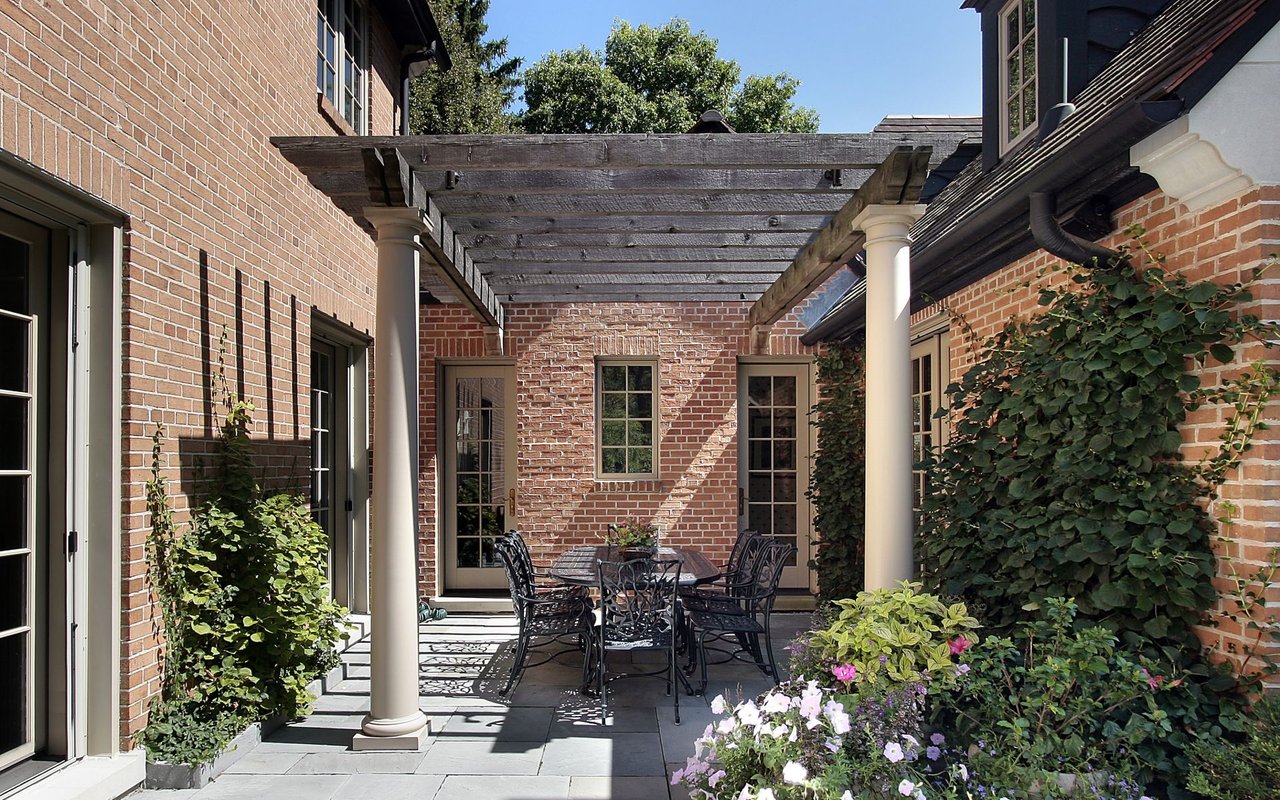
What draws you to McKinley Heights might be more than a listing price or square footage. It’s the rhythm of brick facades, tall windows, and stoops that line the street. If you love homes with character, you’re in the right pocket of 63104. In this guide, you’ll learn how to spot the key architectural styles, what they mean for maintenance and permits, and how to describe them confidently in your photos and listing notes. Let’s dive in.
Why McKinley’s architecture stands out
McKinley Heights is both a locally designated historic district and part of the nationally recognized McKinley‑Fox district. Most buildings date from roughly 1865 to 1931, with a surge of construction around 1900 to 1915. The result is a consistent streetscape of two‑story brick homes that feel cohesive and timeless. You can read the City’s district summary for context and history of the neighborhood’s designation. Explore the McKinley Heights Historic District overview.
That consistency is not an accident. Local standards guide exterior repairs, additions, and new construction so that changes remain compatible with neighboring buildings. The City also publishes a district boundary map so you can confirm if a property lies within McKinley Heights. View the local standards and district map.
Brick rowhouses and flats: the signature look
What they look like
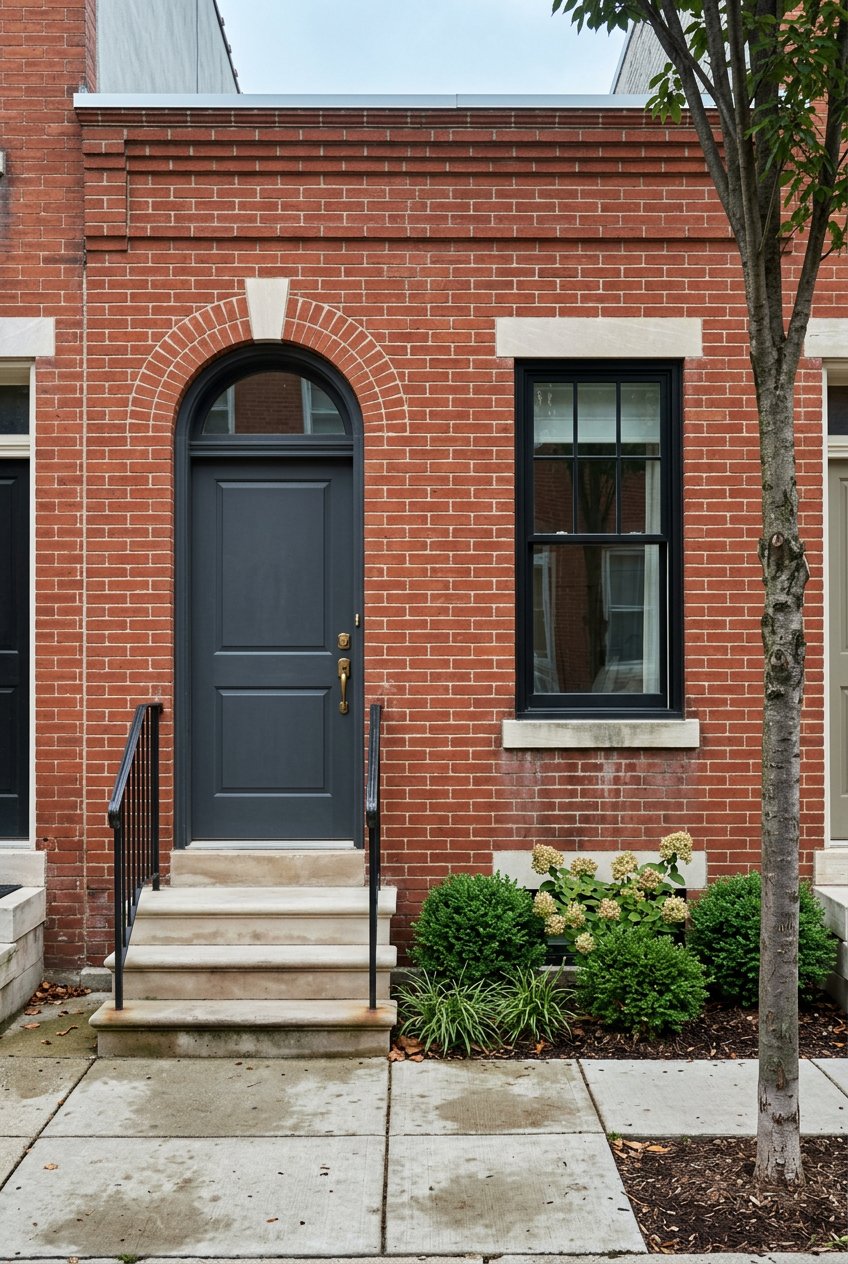
Two‑story brick facades with small front setbacks are the classic McKinley form. You’ll often see arched window heads, limestone sills, simple brick cornices, and uniform stoops or small porches. Interiors tend to have narrow stairs, tall ceilings on the main level, and kitchens placed at the rear or in a rear ell. Many early 20th‑century multi‑unit buildings here were built to a uniform setback and brought modern indoor plumbing to residents. See the district standards for common features and context.
Quick ID cues
- Repeating brick facades along a narrow lot width
- Segmental or rounded‑arch window openings and stone sills
- Brick string courses and modest corbeling at the cornice
These cues point to rowhouses and two‑ or four‑family flats rather than a detached single‑family. For visual comparisons of local styles, browse this resource with St. Louis examples. Review style cues on Saint Louis Patina.
Buyer and seller notes
- Narrow footprints often mean smaller closets and steeper stairs.
- Many buildings are true two‑flats, with stacked, similar floor plans and separate entrances. That can affect financing and how you describe utilities and entrances. Check the standards for multi‑unit context and definitions.
Single‑family and architect‑inspired styles
McKinley Heights includes stylistic elements from popular late‑19th to early‑20th‑century house types seen across St. Louis. The City’s preservation plan provides a helpful overview of these residential forms. Explore period styles in the St. Louis Preservation Plan.
- Italianate: Tall, narrow windows and prominent bracketed cornices. Masonry ornament may be more pronounced.
- Queen Anne: Asymmetry, projecting bays or occasional turrets, and decorative trim or patterned masonry. In many St. Louis city neighborhoods, brick versions carry these cues.
- American Foursquare: A boxy two‑story plan with a low‑pitched hipped roof and a full‑width front porch. Porches may include Arts & Crafts details.
- Craftsman/Arts & Crafts influences: Exposed rafter tails, tapered porch columns, and simplified ornament appear on porches and trim.
Photo cue shortlist: cornice brackets for Italianate; projecting bays and patterned brick for Queen Anne; low‑pitched hipped roofs and broad porches for Foursquare and Craftsman.
Vernacular standouts: flounder and alley houses
- Flounder house: A distinctive shed‑roof form with one tall sidewall and the roof sloping the length of the house. St. Louis has documented flounder houses across older neighborhoods, and you may encounter this local vernacular in McKinley. Read about the flounder house form.
- Alley house: Small structures built at the alley line. In McKinley Heights, these carry special site and preservation considerations as defined by the local standards. Review “alley house” references in the standards.
Typical floor plans and interior flow
Parlor‑floor rowhouse plan
A common sequence is entry to a front parlor or living room, then a formal dining room, then a rear kitchen or kitchen in a rear ell. Upstairs, two to three bedrooms are typical, with some homes offering attic storage or a finished attic. Using terms like “parlor floor” or “parlor plan” in descriptions helps design‑minded buyers understand how the home lives. For comparable urban plans, measured drawings in HABS reports illustrate this flow clearly. See a representative HABS plan example.
Two‑flats and stacked plans
Two‑flats place similar or mirrored layouts on the first and second floors. Entrances may be separate or share a stair. Clarify whether utilities are separated and how each unit is accessed, since this can impact buyer use and loan options. Check definitions and context in the district standards.
Craftsman and bungalow interiors
Where present, these interiors tend to be more compact and emphasize single‑story living with strong porch connections at the front. Look for exposed rafters, tapered porch posts, built‑ins, and simpler trim profiles that reflect early‑20th‑century tastes. See period interior cues in the City’s preservation plan.
Maintenance, updates, and what to expect
Masonry and tuckpointing
Historic brick needs periodic repointing. Matching the original mortar’s composition and color is vital to prevent damage. Poorly executed repointing can harm historic brickwork. For a concise best‑practices overview, review this masonry brief used by preservation commissions. Read the masonry repointing guidance.
Windows and porches
Original windows contribute heavily to a home’s character. McKinley’s standards consider windows crucial to historic appearance and restrict adding new openings on public facades. The standards also outline when storms or replacements are allowed and what materials and profiles are appropriate. Review window and porch standards before planning work.
Roofs, cornices, and visibility
Roof slopes, dormer shapes, and cornice lines are protected features. New rooftop equipment and skylights are subject to visibility rules from the street. Routine roof and gutter maintenance should be part of your long‑term plan. Consult the visibility and roof sections in the standards.
Mechanical systems and safety checks
Older homes can contain legacy systems such as knob‑and‑tube wiring or galvanized plumbing. Knob‑and‑tube can affect insurance and may require updating. For health and safety, remember that federal lead‑based paint disclosure rules apply to pre‑1978 housing. Recommended due diligence often includes an electrical evaluation, sewer scope, radon testing, and lead testing where applicable. Review an insurer’s perspective on old‑home systems. Read the EPA’s lead disclosure rule summary.
Permits and historic district review
Because McKinley Heights is a local historic district, exterior changes, additions, and new construction go through design review for compatibility. Some key constraints to keep in mind:
- New window openings on a public facade are not allowed.
- Decks are generally prohibited on public facades.
- Storm windows, replacements, and visible new elements have specific material and profile requirements.
Design review adds time to your permitting process, so plan accordingly. Sellers can make transactions smoother by gathering past permits and any Preservation Board approvals in advance. Read the McKinley Heights standards in full. To verify whether a property lies within the district, use the City’s map. Open the McKinley Heights local district map.
Financing, incentives, and insurance
- Federal historic rehabilitation tax credits can apply to income‑producing properties if the project is certified through SHPO and NPS. Qualified projects can seek a 20 percent credit on eligible rehab costs. If you’re considering a mixed‑use or rental conversion, start early with formal guidance. Read an NPS program reference.
- Insurance carriers may require electrical updates or additional inspections for older systems. Confirm insurability and any upgrade requirements early to keep your closing on track. See insurer guidance on older homes.
Document your home’s story: photos and records
Strong photos and clear records help buyers understand the architecture and care behind a McKinley home. Use this quick plan:
- Pull the property page in the City’s Address & Property Search to confirm year built, parcel ID, and permit history. Open the City address search tool.
- Confirm whether the address is inside the McKinley Heights district and note any standards that affect your exterior. Download the McKinley Heights district map.
- Capture one clear facade shot; closeups of the cornice, brick detail, and porch; a front door or stoop photo; and a rear yard or alley image that may reveal an alley house or parking access.
- If you need plan visuals, HABS reports often include measured drawings that make great educational graphics. Browse a representative HABS plan.
- If renovations were completed, request copies of Preservation Board approvals and permits. Listing these reduces buyer uncertainty and supports appraisal.
Infill and renovated homes
You will see modern infill or gut‑rehabbed homes among historic neighbors. Common upgrades include open‑plan main levels, updated kitchens and baths, new mechanicals, and sometimes rooftop or garage elements where allowed. Because McKinley is a designated district, plans for visible modern features must satisfy the local standards during review. Check the standards before designing or marketing upgrades.
When you understand McKinley’s signature styles and rules, you can market your home more confidently or shop with sharper eyes. If you’re ready to sell, buy, or compare options across 63104, our team is here to help you align the architecture you love with a smart plan for permits, maintenance, and financing. Connect with The Winckowski Group to talk through your goals.
FAQs
What architectural styles are most common in McKinley Heights?
- Two‑story brick rowhouses and two‑ or four‑family flats dominate, with consistent setbacks, arched or segmental window heads, and modest brick cornices that create a cohesive streetscape. See the district overview.
How do McKinley Heights historic standards affect exterior changes?
- Exterior work must be compatible with neighbors. New window openings on public facades are prohibited, decks on public facades are generally prohibited, and windows, storms, and visible new elements have material and profile rules. Review the standards.
What maintenance should I expect with a brick home in 63104?
- Plan for periodic tuckpointing with mortar that matches original composition and color, routine roof and gutter care, and thoughtful window repair or storms to retain character where appropriate. Read a masonry best‑practices brief.
Are there tax credits for McKinley homes?
- Federal rehabilitation tax credits typically apply to income‑producing historic properties that complete the SHPO/NPS certification process, offering 20 percent on qualified rehab costs. See an NPS reference.
What records should I gather before listing a McKinley Heights home?
- Pull the City property page for year built, parcel ID, and permits; verify the address is in the district; and collect any Preservation Board approvals and contractor documentation to support buyer due diligence. Start with the City address search.