If you want the convenience of city living without depending on your car for every errand, the Central West End deserves a close look. For many buyers and renters in 63108, the goal is not fully car-free living. It is having real options for how you move through your day. In this guide, you’ll see why the Central West End works so well for a car-light lifestyle, what daily life can look like, and what to keep in mind as you search for a home. Let’s dive in.
Why Central West End Fits Car-Light Living
The Central West End is well positioned for people who want to drive less without giving up convenience. The neighborhood sits in a central part of St. Louis City, bounded by Delmar, Vandeventer, I-64, and Kingshighway and Union via Lindell. That location helps connect you to work, recreation, dining, and daily errands from one of the city’s most active mixed-use districts.
City and district sources describe the area as pedestrian- and bike-friendly, with Euclid Avenue serving as the neighborhood’s main commercial spine. That matters because car-light living usually works best when your daily destinations are close together. In the Central West End, many of those destinations are already built into the neighborhood fabric.
It is also important to use the right label. The best way to describe life here is usually car-light, not car-free. You may still want a car for some trips, but the neighborhood gives you meaningful choices about when you actually need to use it.
Transit Access Makes Daily Travel Easier
One of the biggest advantages in the Central West End is strong transit access. The Central West End MetroLink station is the system’s busiest station, with more than 4,300 weekday boardings. It serves both the Red and Blue lines and connects to seven MetroBus routes, which gives you multiple ways to get around the region.
That kind of access can change your daily routine. If you commute, meet friends in another part of the city, or want a simpler way to reach other destinations, having both rail lines and bus connections nearby adds flexibility. It also makes the neighborhood appealing for people relocating to St. Louis who want to ease into city living.
The station itself also saw improvements that support a more comfortable experience. The 2021 redesign added a monitored street-level entrance from Euclid Avenue, wider stairs, better lighting, and improved access between the platform and the bus area. Those upgrades help transit feel more connected to the surrounding streets instead of separate from them.
Walking Works for Everyday Errands
A car-light neighborhood needs more than transit. It also needs useful places within a short walk, and that is where the Central West End stands out.
District materials say more than 30,000 people visit the Central West End each day for dining, shopping, entertainment, healthcare, and business. That steady activity helps explain why the area feels lively and practical throughout the day. You are not relying on one or two isolated businesses. You are living in a district with a broad mix of destinations.
Euclid Avenue is at the center of that experience. The district says Euclid hosts more than 75 shops, galleries, restaurants, bars, salons, hotels, and other businesses. The neighborhood directory also includes grocers such as Straub’s and Whole Foods, which is a major plus if your goal is to handle routine errands without getting in the car.
For many people, that is the difference between liking a walkable area and actually living a car-light lifestyle. When groceries, coffee, meals, personal services, and casual outings are all nearby, it becomes much easier to leave the car parked.
Biking and Recreation Add More Flexibility
The Central West End also benefits from direct access to one of the region’s biggest outdoor assets. Forest Park sits right next door and spans 1,370 acres. The park includes a dual path system, museums, a boathouse, golf courses, and tennis courts, giving you recreation and open space close to home.
For car-light households, that access matters in a practical way. It gives you more places to bike, walk, and spend free time without planning a drive across town. It also supports a lifestyle where exercise, leisure, and daily movement can be part of your neighborhood routine.
There is also future connectivity to watch. Great Rivers Greenway says the planned Brickline Greenway segment from Forest Park to Cortex will connect Forest Park’s shared-use path at Clayton Avenue through Kingshighway to Boyle Avenue and then to the Cortex MetroLink Station. Projects like that can make bike and pedestrian trips even more useful over time.
Even smaller signs point to how this neighborhood functions. The district promotes Food Pedaler, a bike-based delivery service that brings food from local restaurants around the Central West End. It may seem like a small detail, but it reflects the kind of environment where lower-car daily life is realistic.
Daily Destinations Support a Full Routine
A neighborhood can have transit and sidewalks and still fall short if your real daily needs are scattered. The Central West End offers a more complete mix of destinations, which is one reason it appeals to professionals, longtime residents, and people moving into the city.
The city identifies the neighborhood as one of the prime residential locations near Barnes-Jewish Hospital, St. Louis Children’s Hospital, and Washington University School of Medicine. That proximity can be especially meaningful if you work nearby or want to reduce commute time. For some buyers, that alone can make car-light living much more achievable.
The area also brings together practical and cultural destinations. City and district sources highlight attractions such as Forest Park’s museums, the Cathedral Basilica, and the World Chess Hall of Fame. That blend of everyday convenience and nearby activities helps create a neighborhood where you can do more close to home.
What Housing Looks Like in CWE
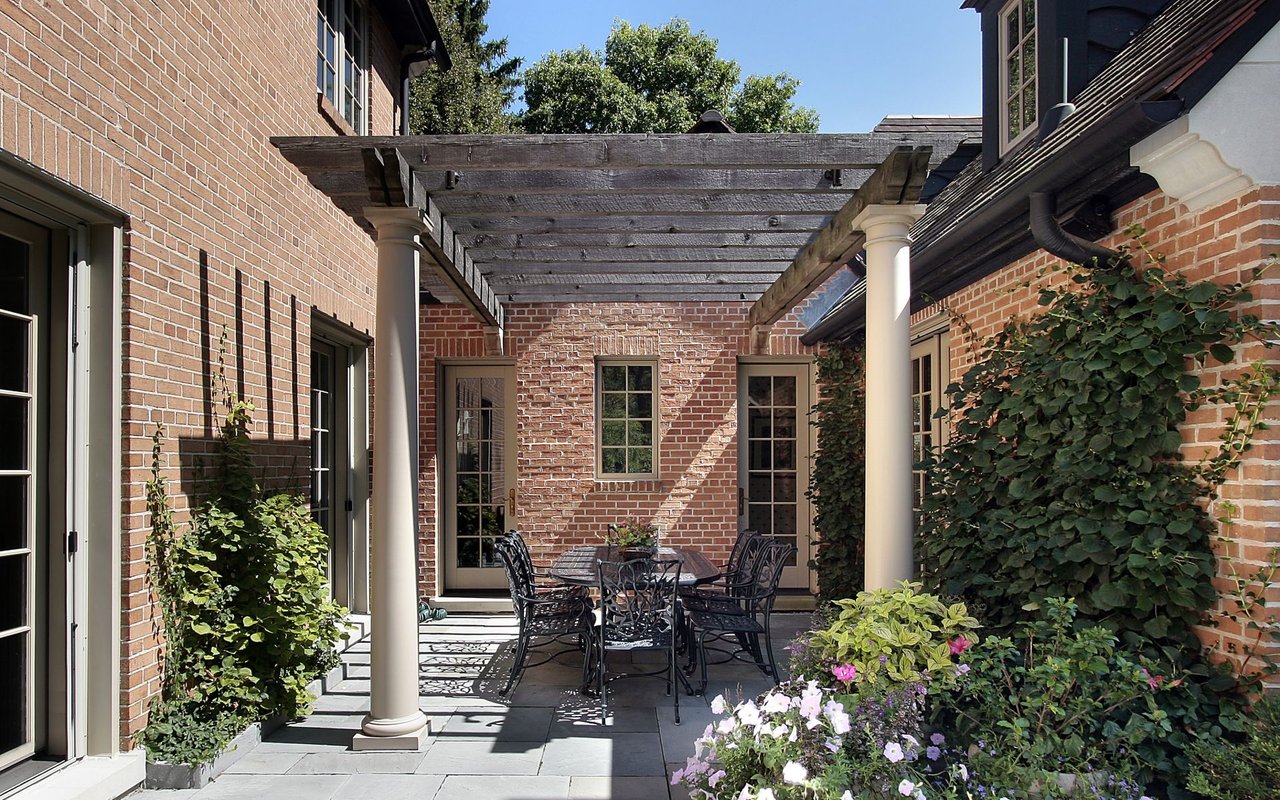
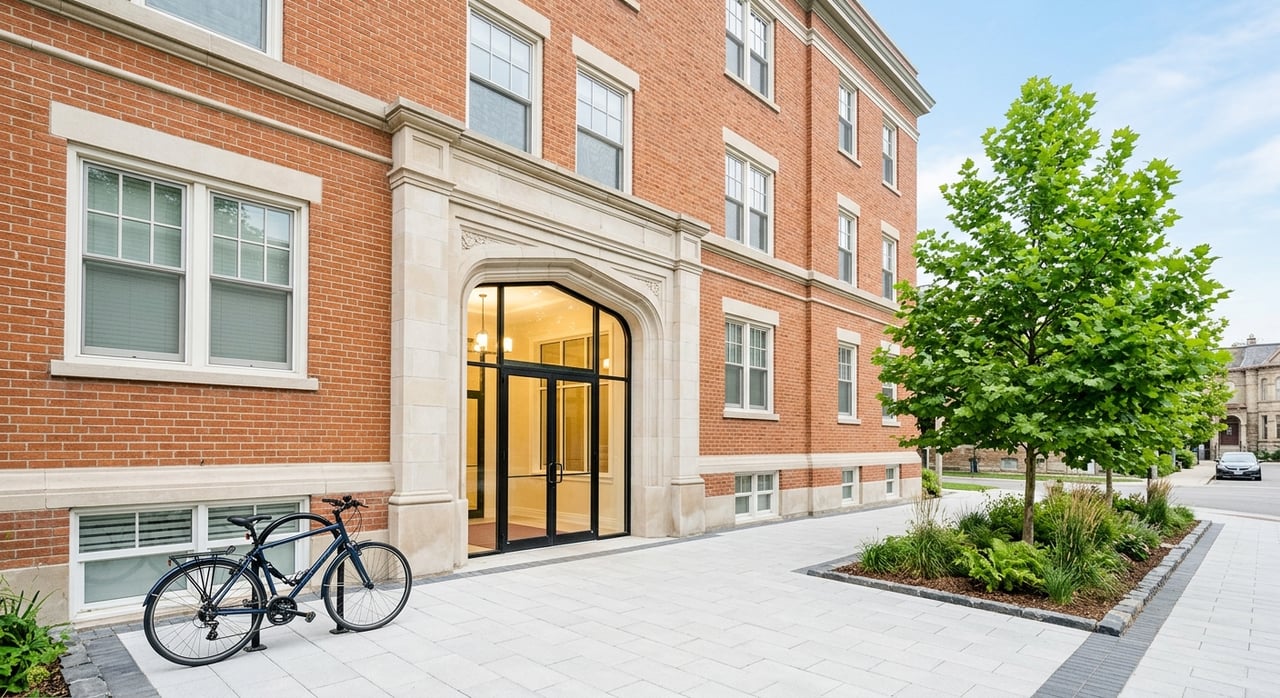
If you are considering a move to the Central West End, housing variety is part of the appeal. City planning sources describe the neighborhood as primarily residential with an intermittent mix of commercial, industrial, and institutional uses. The residential stock is mainly apartments and flats, along with large single-family homes on private streets and major boulevards.
That means different types of buyers may find a fit here. Some people are drawn to condos or apartments that pair well with a lower-maintenance, walkable lifestyle. Others may prefer the neighborhood’s historic homes while still benefiting from the area’s central location and nearby amenities.
A broader neighborhood guide also describes the inventory as including updated 19th-century homes, townhomes, and turn-key condos in sleek high-rise buildings. In practical terms, you are looking at a neighborhood with options for both renters and ownership buyers, as well as different preferences around space, style, and maintenance.
Historic Character Matters When You Buy
The Central West End is known for its architecture, and that character is a major part of its appeal. City sources point to classic residential streets such as Lenox Place, Pershing Place, Kingsbury Place, and Hortense Place, along with the architecture in Fullerton’s Westminster Place Addition. Kingsbury-Washington Terrace, within the local historic district, is noted for some of the city’s finest residential architecture.
The neighborhood became a historic district in 1974, and that comes with an important planning consideration. If you are buying a property and thinking about exterior changes or renovations, you should check local historic-district standards before assuming changes can be made freely. This is especially relevant if you are comparing older homes with condos or newer residential options.
That does not need to be a drawback. It simply means your home search should match your lifestyle goals, maintenance expectations, and renovation plans. Clear guidance early on can save time and prevent surprises later.
Who Might Love Car-Light Living Here
The Central West End can make sense for several types of buyers and movers. It is especially appealing if you want a neighborhood where daily life can happen closer to home.
You may want to take a closer look if you are:
- Relocating to St. Louis and want urban convenience with flexible transportation options
- Working near the medical campus and hoping to shorten your commute
- Looking for a condo, apartment, townhome, or historic home in a mixed-use neighborhood
- Interested in walking to restaurants, shops, and grocery options more often
- Hoping to keep a car but use it less often
This neighborhood may be less about giving up your car entirely and more about gaining freedom in how you use it. For many people, that balance is exactly the point.
Tips for Buying in a Car-Light Neighborhood
If you are serious about buying in the Central West End, it helps to think beyond square footage and finishes. A car-light lifestyle depends on how a home connects to your daily routine.
As you evaluate homes, consider:
- How close the property is to MetroLink or bus connections
- Whether groceries, dining, and personal services are easy to reach on foot
- How often you expect to use Forest Park or nearby recreation paths
- What type of home fits your maintenance and storage needs
- Whether a historic property may affect future exterior updates
These details can help you narrow your search in a smarter way. A home that looks great on paper may feel very different once you map out your real weekly routine.
Why Local Guidance Helps
In a neighborhood like the Central West End, block-by-block context matters. Transit access, nearby amenities, housing style, and historic-district considerations can shape which property feels like the right fit for your goals.
That is why local guidance can be so valuable, especially if you are relocating or trying to compare urban options across St. Louis. The right support helps you look past broad impressions and focus on how a neighborhood will function for your everyday life.
If you are exploring a move to the Central West End or want help finding a home that supports the way you actually live, The Winckowski Group can help you navigate your options with clear, local insight.
FAQs
Is the Central West End in St. Louis good for car-light living?
- Yes. The neighborhood combines MetroLink access, bus connections, walkable commercial areas, nearby grocery options, and direct access to Forest Park, which supports a lower-car routine.
Does the Central West End have good public transit access?
- Yes. The Central West End MetroLink station serves both the Red and Blue lines, has more than 4,300 weekday boardings, and connects to seven MetroBus routes.
Can you walk to groceries in the Central West End?
- District sources list neighborhood grocers including Straub’s and Whole Foods, which supports walkable daily errands for many residents.
What types of homes are in the Central West End?
- Housing in the Central West End includes apartments, flats, large single-family homes, townhomes, historic homes, and condos, including high-rise options.
Are there historic district rules in the Central West End?
- Yes. Because the area includes a local historic district, buyers should check local standards before planning exterior changes or renovations.
Is the Central West End fully car-free?
- Usually, the better description is car-light rather than car-free. The neighborhood gives you strong alternatives to driving, but your need for a car may still depend on your job, routine, and preferred destinations.