Thinking about buying in St. Louis City and eyeing 63110? You are not alone. The area offers relative affordability compared to many suburbs, but block-by-block differences in price, condition, and demand can surprise first-time and seasoned buyers alike. In this guide, you will learn the key market trends to watch, how to read them, and practical steps to position your offer with confidence.
You will also get local context on older housing stock, renovation realities, and when buyers tend to have more leverage. Let’s dive in.
Why 63110 deserves a closer look
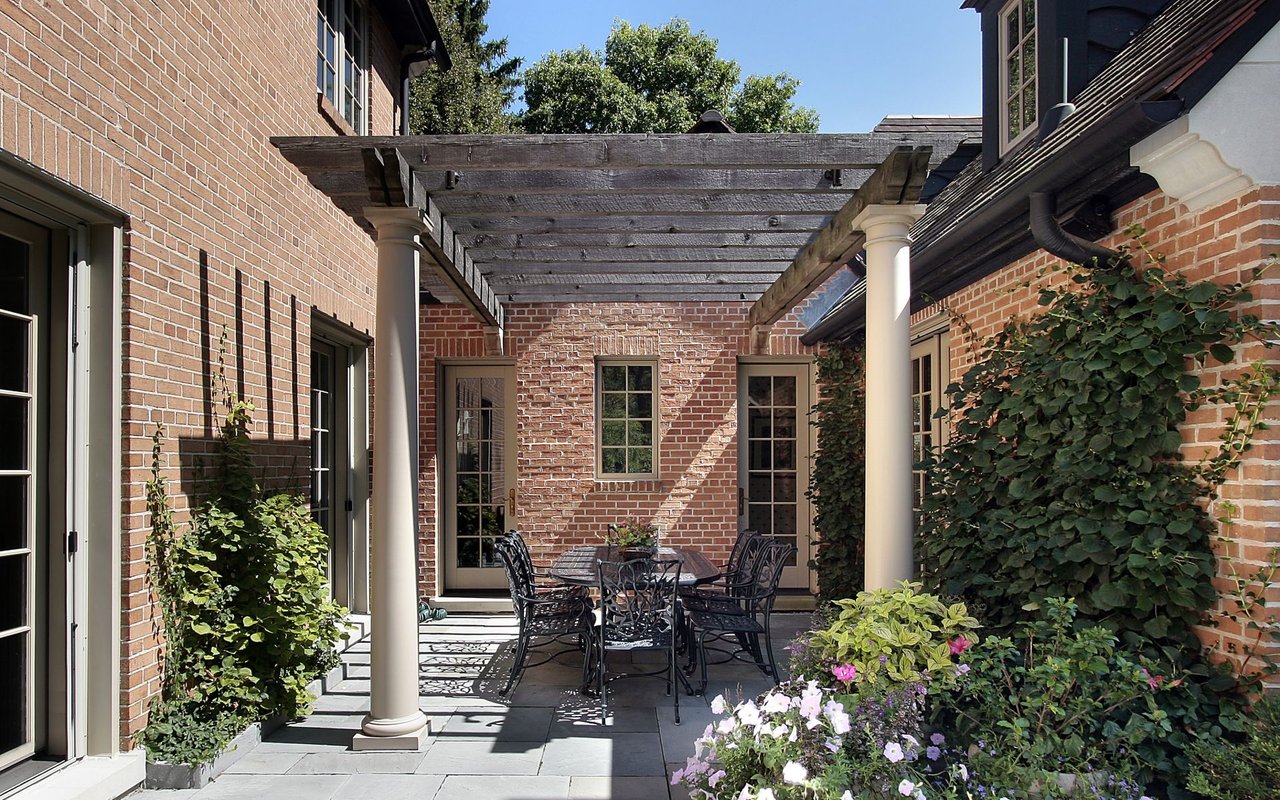
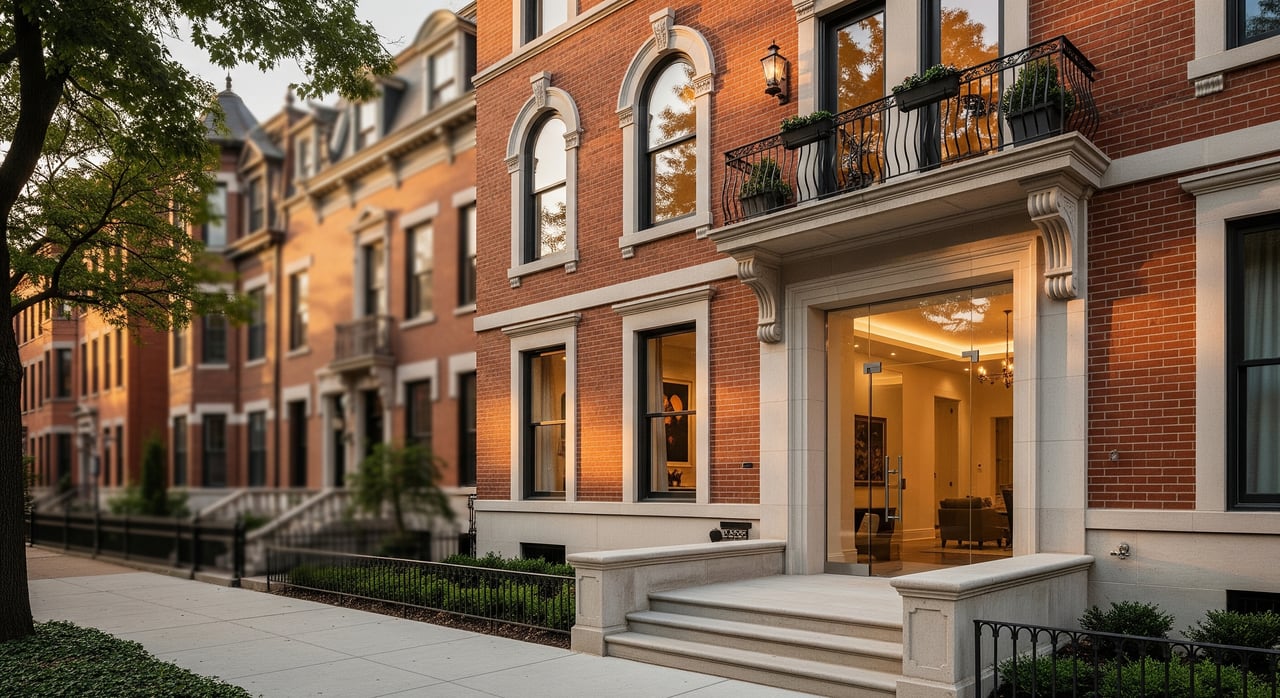
Zip code 63110 includes a large share of older homes. Many properties have character and historic details, and some need updates to systems like electrical, plumbing, roofs, and HVAC. When you plan your search, expect a wider range of property conditions than you might see in newer suburbs.
The mix of owner-occupied and rental properties can vary by street. That mix affects competition, showing access, and how quickly homes sell. To understand broader context, review neighborhood-level demographics using the U.S. Census Bureau’s ACS 5-year estimates for ZCTA 63110.
Because condition varies, buyers should separate renovated comparables from as-is sales when evaluating pricing. You will likely see both turnkey listings and homes marketed as value-add opportunities. Each type comes with a different offer strategy.
The metrics that shape your leverage
Months of inventory (MOI)
- What it tells you: MOI divides active listings by the monthly sales pace. It signals whether buyers have time to shop or face tight competition.
- How to read it: As a rule of thumb, more than 6 months suggests a buyer’s market, 3 to 6 months is balanced, and less than 3 months favors sellers.
- Why it matters in 63110: Citywide MOI can run higher than many suburbs, yet renovated or well-located homes often see lower MOI. Track both city and neighborhood trends using local reports from STL REALTORS market reports.
Median sale price and price per square foot
- What they tell you: The median sale price shows the typical value of homes that sold. Price per square foot helps compare homes of different sizes.
- How to use them: Watch whether medians are rising or flattening. Compare a listing’s price per square foot to recent renovated and as-is sales. Do not overreact to one month’s data. Zip-level medians can swing when sample sizes are small, so review 6 to 12 month rolling trends.
- What to remember: In-city medians are often lower than suburban medians, but renovated homes in central locations can still command strong prices.
Inventory levels (active and new listings)
- What they tell you: Active listings show what is available now. New listings show the flow of fresh options.
- How to read them: A rising trend in active listings usually gives buyers more choices. If new listings fall and buyer demand holds, expect tighter competition.
- Local nuance: City inventory may include bank-owned properties or listings from the Land Reutilization Authority. Those can influence price dynamics and comparables.
Days on market and sale-to-list price ratio
- What they tell you: Days on market (DOM) measures how quickly homes go under contract. The sale-to-list ratio shows how close the final sale price is to asking.
- How to read them: Lower DOM and ratios near or above 100 percent suggest strong seller leverage. Higher DOM and ratios well below 100 percent point to more negotiating room for buyers.
- Local nuance: Homes needing renovation often have higher DOM and larger discounts from list. Turnkey homes in convenient locations go faster.
Permits, renovations, and momentum
- What it tells you: Building permits and visible rehab work reveal where supply and quality are changing. Small-scale rehabs often lead localized price growth.
- How to track it: Review City permit records and watch for clusters of rehabs or additions. You can search the City of St. Louis permit resources and monitor regional indicators through the Federal Reserve Bank of St. Louis FRED building permit data.
- Why it matters: A wave of rehab activity can tighten supply of move-in-ready homes, while also improving housing quality on nearby blocks.
LRA, bank-owned, and auction sales
- What they are: Distressed or city land bank sales that often need substantial work. St. Louis City’s Land Reutilization Authority (LRA) maintains programs and listings.
- Why they matter: These sales can create opportunities for buyers prepared for renovation and can pull down short-term medians if they cluster.
- How to proceed: Study condition carefully, confirm access for inspections, and verify title, liens, and code status. Learn more about LRA policies through the City’s Land Reutilization Authority information.
Rent versus owner mix and investor activity
- What it tells you: Areas with higher investor ownership can see more properties sold as rentals or as-is, which affects financing, showings, and closing timelines.
- How to use it: Ask your agent to review rental share indicators and sale histories on your target blocks. Cross-check general demographic context on ACS profiles for 63110.
63110 buying strategies: rehab versus turnkey
If you are targeting older housing, plan for inspections and a repair budget. Lead paint, electrical updates, sewer line condition, roof age, and HVAC efficiency are common focus areas in older homes. A thorough inspection contingency and room for repair credits or price adjustments will protect you.
For heavier projects, discuss renovation-friendly financing early. Options like FHA 203(k) or conventional renovation loans may fit certain properties. Work only with lenders familiar with older St. Louis City housing and rehab timelines.
Title and municipal checks are essential. Older or rehab-heavy properties can carry code violations, unpaid utility bills, or other lien issues. Start due diligence early with the City’s Recorder and Assessor resources and coordinate with your title company. If a property needs permits for recent work, verify them through the City’s permit search before you finalize pricing.
Timing your move: seasonality and rates
Seasonality still matters. Spring typically brings more listings and more buyers, while late fall and winter often see fewer active house hunters. When inventory stays steady but buyer traffic drops, you may gain negotiating power in the colder months.
Mortgage rates also shape competition. Higher rates generally reduce purchasing power and can slow price appreciation. When rates are elevated, some buyers step to the sidelines, which can increase leverage for active buyers. Pair real-time local activity from STL REALTORS market updates with regional context from FRED to keep perspective.
City versus nearby suburbs: what changes for buyers
- Affordability and taxes: City list prices are often lower than suburban prices. Weigh potential renovation costs, older-home insurance considerations, and differences in how properties are assessed for taxes when you compare areas.
- Inventory composition: Suburbs often offer more move-in-ready homes with standardized finishes. City inventory tends to include a wider spread of condition and more as-is opportunities. Buyers using cash or renovation financing often have an edge on value-add homes.
- Commute and amenities: City living can offer proximity to jobs, transit, parks, and cultural institutions. Homes near active redevelopment or employment centers can see stronger demand even when broader city metrics look balanced.
How to read today’s numbers
Use these simple signals to gauge buyer power:
- MOI greater than 6 months: buyer-friendly. Between 3 and 6 months: balanced. Below 3 months: seller-friendly.
- DOM trending up with a lower sale-to-list ratio: rising buyer leverage.
- More new listings with flat or falling sales: easing competition.
- Turnkey listings with short DOM: expect stronger pricing and fewer concessions.
Because zip-level sales counts can be small, rely on rolling 6 to 12 month medians and sample sizes. Avoid drawing conclusions from a single week or month of data.
A simple checklist for 63110 buyers
- Get preapproved with a lender experienced in St. Louis City and renovation loans if you will consider rehabs.
- Set an inspection plan that includes sewer, roof, electrical, plumbing, HVAC, and environmental tests as appropriate for older homes.
- Budget for repairs and updates. Add a cushion for surprises uncovered after closing.
- Verify permits for recent work through the City of St. Louis permit resources.
- Check title and municipal liens early with your title company and the City’s Recorder and Assessor resources.
- Separate comps into renovated versus as-is buckets before you price an offer.
- Use STL REALTORS market reports and ACS profiles to keep context on trends and housing stock.
- Consider seasonality. If you have flexibility, late fall and winter can bring more negotiating room.
How we help you buy with confidence
You deserve a calm, informed path to buying in 63110. Our team pairs neighborhood-level knowledge with responsive, step-by-step guidance. We will help you read the right metrics, price your offer against the correct comps, and plan inspections that match each home’s age and condition.
From preapproval to closing, you will get clear communication, local insights, and proven negotiation. If you want a second set of eyes on a listing, a quick take on market conditions, or a game plan for a rehab purchase, we are ready to help.
Have questions about a specific property in 63110 or want to map out your next steps? Connect with The Winckowski Group to start a smart, confident search.
FAQs
What market metrics should 63110 buyers track first?
- Focus on months of inventory, days on market, sale-to-list ratio, and 6 to 12 month rolling median prices. These reveal leverage and how competitively to bid.
How do I compare renovated versus as-is homes in 63110?
- Build two sets of comps, one for updated homes and one for as-is sales. Adjust your offer and inspection strategy to match each property’s condition.
Where can I find reliable local market updates for St. Louis City?
- Use STL REALTORS market reports for local summaries and pair them with City data sources like permit resources.
What financing should I consider for older or rehab properties?
- Discuss renovation-capable loans, such as FHA 203(k) or conventional renovation products, with lenders who regularly finance older St. Louis City homes.
How can I check permits, liens, or code issues before I make an offer?
- Ask your agent and title company to pull records early, and search the City’s Recorder, Assessor, and permit resources to confirm status and resolve concerns before closing.