Selling a historic home in McKinley Heights is not the same as selling just any brick house in St. Louis. Buyers are often looking at charm, condition, original details, and city review requirements all at once. If you want to sell with fewer surprises and more confidence, it helps to understand how the process works before your home hits the market. Let’s dive in.
Understand McKinley Heights Historic Status
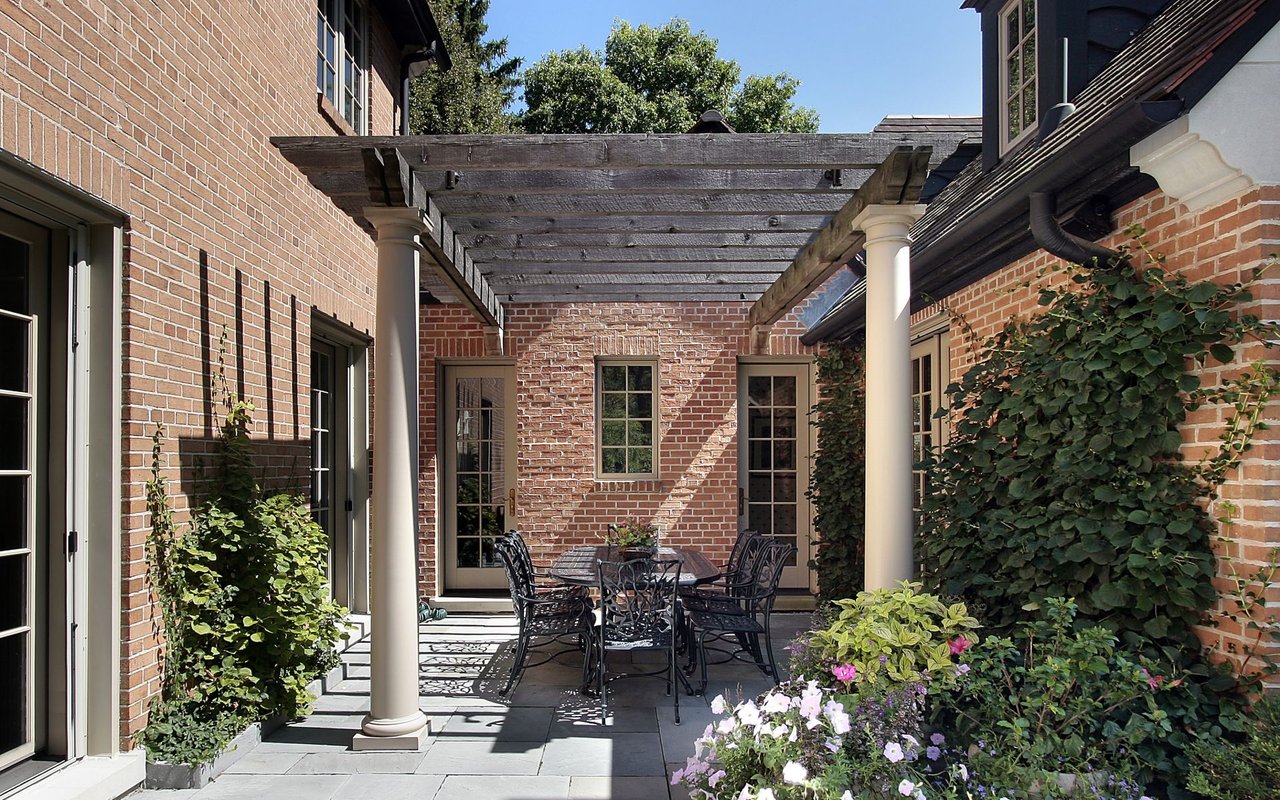
McKinley Heights is a St. Louis City neighborhood with roots going back to the early 1850s. Most of the buildings in the area date from 1865 to 1931, with many built between 1900 and 1915. The neighborhood is known for two-story brick homes with a similar scale and historic character.
Your first step is understanding what kind of historic designation applies to your property. McKinley Heights was added to the McKinley-Fox National Register Historic District in 1984 and also became a local historic district in 2008. That difference matters when you are preparing to sell.
National Register status by itself does not automatically place local review requirements on a private owner unless federal funds are used or demolition is involved. The local historic district rules are what control exterior work in McKinley Heights. In other words, if you are planning pre-listing exterior repairs or updates, city review is the part you need to pay attention to.
Start With a Pre-Listing Condition Review
Before you think about photos, pricing, or showings, take a careful look at your home’s condition. With older brick homes, buyers tend to notice building-envelope issues quickly because they often affect both appearance and future maintenance.
Focus first on the exterior elements that protect the house. That includes:
- Roof drainage
- Gutters and downspouts
- Mortar joints
- Brick condition
- Windows
- Porch elements
Historic masonry is durable, but it can be damaged by poor maintenance, harsh cleaning, or repair materials that do not match the original work. Proper drainage also matters because water problems can speed up deterioration. If your home has visible exterior wear, it is smart to identify it early so you can decide what to address before listing.
Review Windows and Original Features Carefully
Windows are often one of the biggest question marks in a historic-home sale. Buyers may want to know whether the windows are original, whether they have been repaired, and whether any replacement work was approved.
Guidance in the research report notes that historic windows should be repaired and retained when possible. Energy concerns alone are not usually enough reason to replace them, since weatherstripping and storm windows can often improve performance. If replacement is necessary, clear documentation is important.
This is where sellers can gain an advantage by being organized. If you have photos, drawings, invoices, or permit records tied to window work, gather them before your home goes on the market. The same goes for porches, decorative trim, doors, and other visible historic features.
Plan Exterior Repairs Around City Review
In McKinley Heights, most exterior work is regulated because the neighborhood is a local historic district. According to the City of St. Louis, a permit is needed for all exterior work except painting wood trim. Reviewed work can include:
- Window replacement
- Door replacement
- Repointing
- Gutters and downspouts
- Decorative trim
- Lighting
- Awnings
- Sidewalks and drives
Most permits are approved within five working days. Some small projects may be approved over the counter at the CRO Hotspot. For larger or more substantial work, the city also offers a free preliminary review, with staff responses typically within three business days.
That timeline may sound manageable, but it can still affect your listing schedule. If you want to complete exterior work before going live, build in enough time for review, permits, and contractor availability.
Decide What to Fix Before Listing
Not every issue should be fixed before you sell. The goal is to reduce uncertainty for buyers without taking on unnecessary work that may not improve your outcome.
For a historic McKinley home, pre-listing improvements usually make the most sense when they do one of three things:
- Protect the structure from further damage
- Improve the home’s presentation in a visible way
- Remove a likely buyer objection tied to historic review or deferred maintenance
For example, unresolved masonry issues, poor drainage, or damaged porch elements can raise questions during showings and inspections. On the other hand, some cosmetic choices may be better left alone if they require review and do not clearly strengthen your market position.
Price With Condition and Documentation in Mind
Pricing a historic home in McKinley Heights goes beyond bedroom count and square footage. Buyers often compare original materials, visible upkeep, permit history, and the likely cost of any deferred exterior work.
A historic label does not automatically add value. What often matters more is whether the home feels well-kept, well-documented, and easy to understand. When buyers see uncertainty around exterior changes, missing approvals, or repair needs, they may factor that into their offer.
That means your pricing strategy should reflect more than appearance alone. A home with preserved features, clear records, and evidence of thoughtful maintenance may stand apart from a similar home with unanswered questions.
Build a Strong Listing Packet
Historic homes benefit from a cleaner paper trail. The more clearly you can show what has been maintained, repaired, or approved, the easier it can be for buyers to evaluate the property with confidence.
A strong listing packet may include:
- High-quality exterior and interior photos
- A concise repair history
- Permit approvals
- Preliminary review feedback, if applicable
- Plans or scopes of work tied to recent projects
These materials do more than answer buyer questions. They can also help during negotiations if an inspection brings up windows, masonry, gutters, or porch details that you have already addressed or documented.
Market the Home’s Historic Appeal Honestly
When you market a historic McKinley home, lead with facts and clear visuals. Buyers are often drawn to original brickwork, period details, and the overall character of the property, but they also want to know how those features have been cared for over time.
Use your marketing to show both charm and clarity. If your home retains original windows, masonry, or porch features, that is worth highlighting. If systems have been updated or exterior work has been reviewed and approved, that information also adds value because it reduces guesswork.
This is where professional marketing matters. Great photography, accurate descriptions, and a thoughtful explanation of the home’s condition can help the right buyers connect with the property from the start.
Prepare for Historic-Home Buyer Questions
Buyers shopping in McKinley Heights often come in with detailed questions. They may already know the neighborhood is in a local historic district, and they may be thinking ahead about future repairs or improvements.
Be ready to answer questions like:
- Is the home inside the local historic district?
- Do prior exterior changes have approval on file?
- Are the windows original, repaired, or replaced?
- Is there documentation for exterior work?
- Could the property potentially qualify for historic rehab incentives if a buyer plans a larger project?
For rehab incentives, accuracy matters. Missouri’s Historic Preservation Tax Credit program offers a 25% credit for qualified rehabilitation expenditures on approved historic structures, with eligibility rules tied to certified historic status and project cost thresholds. The City of St. Louis also notes that National Register properties and contributing properties in a National Register district may be eligible for federal and state rehab tax credits.
This can be a useful talking point only if the property’s status and the planned work fit the program rules. It should be presented carefully and factually, not as a blanket promise.
Negotiate With Fewer Surprises
Historic-home negotiations often come down to confidence. If buyers understand what is original, what has been updated, and what was properly permitted, they are usually in a better position to make a clear decision.
That is why preparation matters so much before you list. A seller who can explain the story of the home, supported by records and photos, is often better equipped to handle inspection concerns and repair requests.
If questions come up about authenticity versus replacement, stay factual. Explain which features are original, which were repaired, and which were replaced with approval if applicable. Clear answers can keep negotiations focused and productive.
Work With a Local Selling Strategy
Selling a historic home in 63104 takes more than a standard checklist. You need a strategy that respects the neighborhood’s historic rules, highlights the home’s best features, and prepares for the questions buyers are most likely to ask.
That means timing pre-listing work carefully, pricing with context, and presenting the property with strong documentation and professional marketing. When you do that well, you make it easier for buyers to appreciate both the charm and the reality of owning a historic McKinley home.
If you are thinking about selling and want a clear plan for pricing, prep, and marketing, The Winckowski Group can help you take the next step with local guidance and responsive support.
FAQs
What makes selling a historic McKinley Heights home different?
- Homes in McKinley Heights are often evaluated for original features, exterior condition, maintenance history, and any city review requirements tied to the local historic district.
Do McKinley Heights sellers need approval for exterior work?
- In the local historic district, the City of St. Louis says a permit is needed for all exterior work except painting wood trim, and many common exterior changes are reviewed.
What exterior items should sellers check before listing a historic St. Louis home?
- Start with roof drainage, gutters, mortar joints, brick condition, windows, and porch elements because these can affect both appearance and buyer concerns.
Should sellers replace old windows before listing a historic home?
- Not always. The research report notes that historic windows should be repaired and retained when possible, and performance concerns alone do not automatically justify replacement.
Can a McKinley Heights home qualify for Missouri historic tax credits?
- Possibly, but only if the property and planned rehabilitation meet program rules, including requirements for certified historic status and qualified rehabilitation expenditures.
What documents help most when selling a historic home in 63104?
- Useful documents include permit approvals, repair history, photos, plans, scopes of work, and any preliminary review feedback related to exterior projects.