What if your daily coffee, dinner plans, and weekend park time were all a short walk from home? If you want tree-lined streets with an urban feel, the Central West End in 63108 offers a lifestyle that blends convenience with character. You might be weighing commute time, housing options, and neighborhood vibe. In this guide, you’ll learn what day-to-day life looks like, how people get around, and what to expect from the housing stock so you can decide if it fits your goals. Let’s dive in.
Central West End vibe
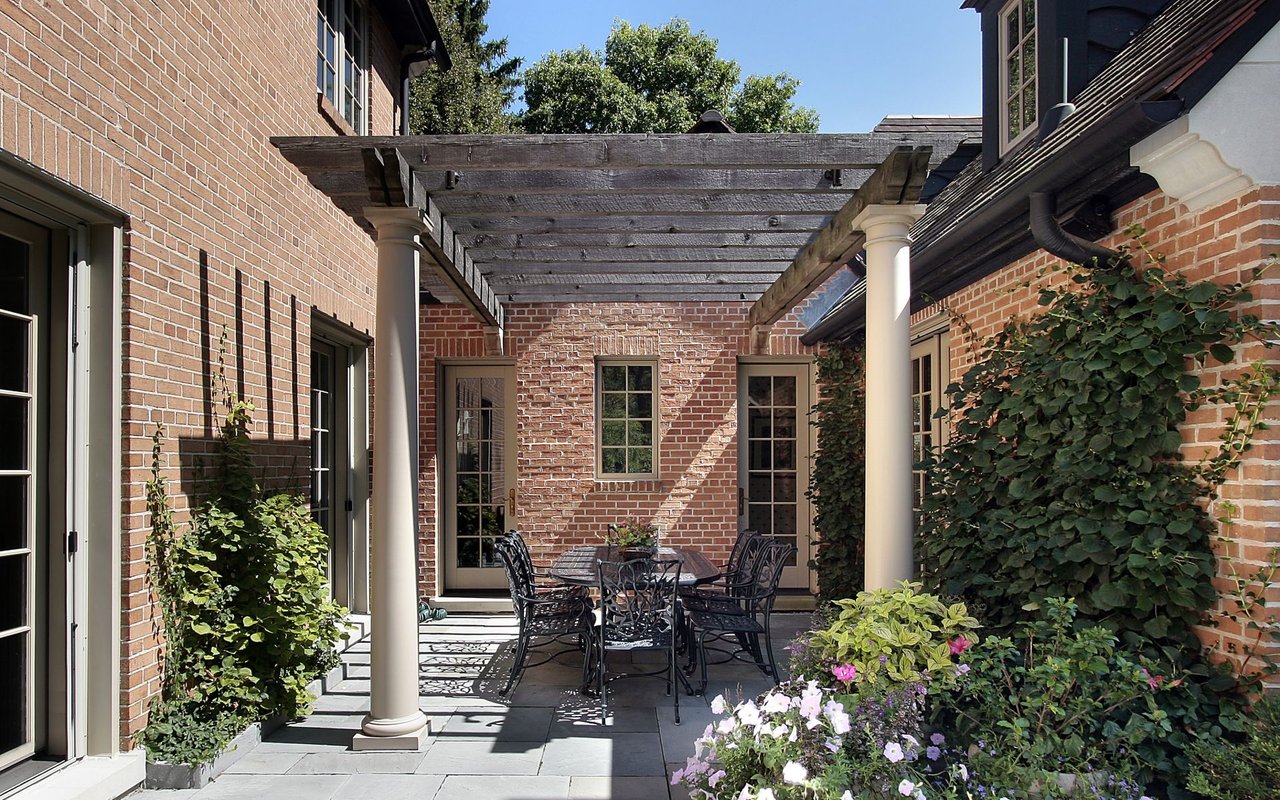
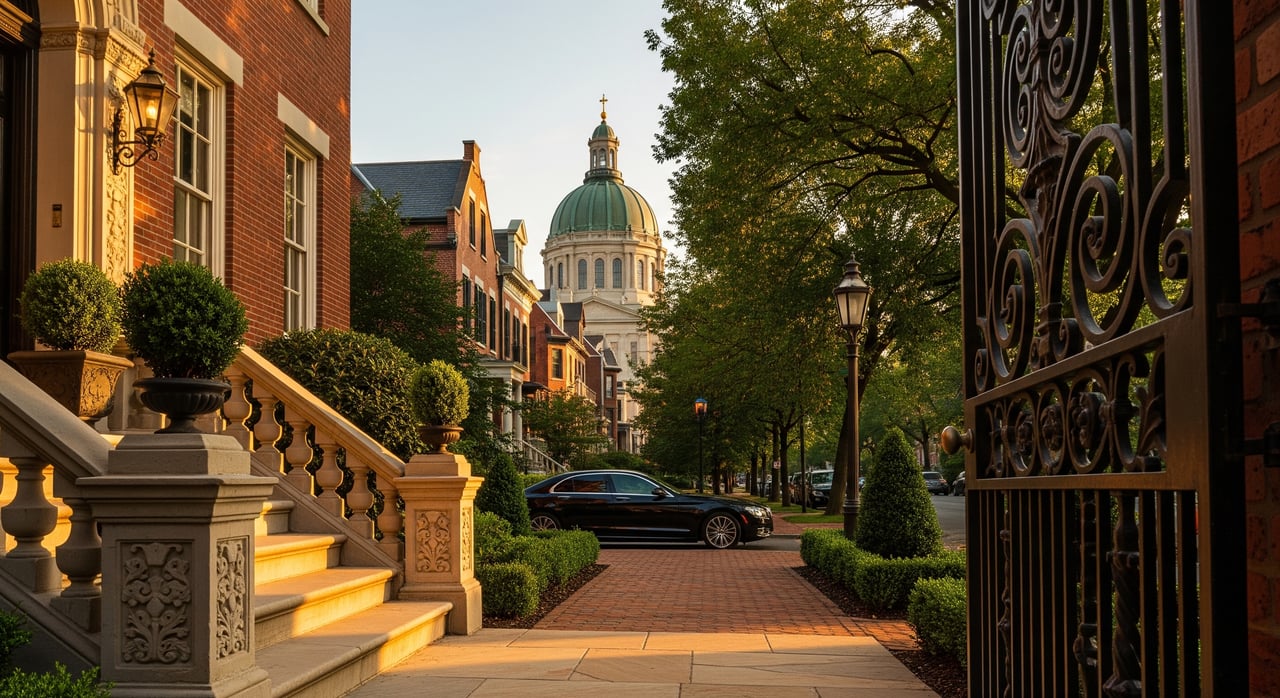
The Central West End mixes historic charm with a lively, walkable scene. You see late 19th and early 20th century architecture next to modernized interiors, with blocks that feel both established and energetic. Many residents choose the neighborhood for its café culture, local shops, and access to major institutions nearby.
You’ll find a diverse housing landscape and a neighborly rhythm that shifts by block. Commercial corridors buzz more at night, while residential streets tend to quiet down. It creates options whether you like being close to the action or a couple of blocks removed.
Daily life and amenities
Food and coffee
You can count on a dense mix of cafés, bakeries, casual spots, and a few higher-end choices. Most dining clusters sit along walkable stretches, which makes dinner-without-driving easy. Takeout, patio seating, and late-service kitchens support varied schedules.
Shops and services
Independent boutiques, specialty grocers, salons, and everyday services line the main streets. You’ll see fewer big-box chains than in suburban centers, which keeps the experience local. Dry cleaning, fitness, and small professional offices are common in the mix.
Green space nearby
Tree-lined residential blocks and pocket parks add breathing room inside the neighborhood. A standout perk is quick access to a very large urban park with trails, museums, and recreation. If you like morning runs, dog walks, or weekend picnics, it is an easy lifestyle fit.
Culture and nightlife
Historic churches, galleries, and institutional landmarks anchor the area culturally. Nightlife tends to concentrate at a few commercial nodes and can be lively. If you prefer quieter evenings, consider homes a bit off the main corridors.
Getting around 63108
Walkability and biking
The Central West End is highly walkable, with many daily errands done on foot. Short bike trips are common and some corridors include bike-friendly infrastructure. In busier areas you may share lanes, so plan your routes based on comfort level.
Transit options
Regional light-rail and multiple bus routes serve the neighborhood, connecting you to downtown and other parts of St. Louis. This makes car-light or car-optional living realistic. If transit matters to you, test your specific commute during typical peak hours.
Parking basics
On-street parking varies by block. Commercial areas often use meters and have limited lot space. Some residential streets use permit programs or timed restrictions, so confirm rules for your exact address and visiting guests.
Homes and buildings
What you’ll find
- Historic single-family homes and stately mansions, including some on private or gated streets.
- Brick townhouses and early 20th-century rowhouses with classic details.
- Walk-up and elevator apartment buildings from the early-mid 1900s.
- Adaptive-reuse lofts and condominiums, plus newer infill condo developments.
Ownership and rentals sit side by side, with condominiums, single-family homes, and a strong rental market driven by students and professionals. Prices generally trend above the city median, with wide variation by block, building, and condition.
Who it suits
The neighborhood tends to fit young professionals, couples who want walkability, downsizers seeking lower-maintenance living, and households that value park access. If proximity to medical, academic, or cultural anchors is a priority, 63108 often checks the box. If you want a quiet suburban pace, you may prefer homes farther from the commercial core.
Renovation notes
Parts of the Central West End fall under historic-preservation rules or design review. Interior updates are common, but exterior changes can require approval. If you plan to remodel, factor in timelines, potential review steps, and the maintenance needs of older construction.
Practical planning tips
First visit checklist
- Walk the block at different times to gauge noise and activity.
- Test your commute by car and transit during rush hour.
- Check on-street parking rules and guest parking options.
- Note building entries, common areas, and accessibility features.
- Map your closest grocery, café, pharmacy, and green space.
Families and schools
Households should verify school assignation with St. Louis Public Schools and explore nearby private or parochial options if desired. University-adjacent neighborhoods can have unique childcare and after-school logistics, so confirm availability early. Plan for pick-up routes and aftercare relative to your home base.
Safety and noise
As with most urban neighborhoods, activity levels change by corridor and time of day. Nightlife and medical shift traffic can increase movement after hours. Review local police statistics for current crime trends and use common-sense urban precautions.
Accessibility and pets
Older buildings may have stairs or limited elevator access. Newer condos and renovated units sometimes offer step-free entries and other accessible features. Pet policies vary by HOA or landlord, so confirm rules, fees, and size limits.
Taxes and utilities
City property taxes and utility structures can differ from county suburbs. If you are considering a historic property, also check for special assessments or requirements tied to preservation. For older homes, budget for potential efficiency upgrades.
Day-in-the-life snapshots
Young medical professional
You start with a quick walk to grab coffee before a short commute to a nearby medical or academic campus. After a late shift, dining clusters with extended hours make dinner easy. On days off, you bike to the large urban park for a run and meet friends for a patio brunch.
Small family
A ground-floor condo or townhome keeps daily life simple. Weekends include playground time in pocket parks and quick drives for museum outings. With errands close by, weeknights can be dinner on foot and a short stroll home.
Empty-nester
You swap a large yard for a well-finished condo. Mornings mean neighborhood walks under mature trees and afternoons exploring galleries or lectures. Guests enjoy nearby hotels and transit, and you keep one car for regional trips.
Is CWE a fit for you?
If you value walkability, historic charm, and quick access to major cultural and employment centers, the Central West End in 63108 delivers a strong blend of convenience and character. Housing spans classic to contemporary, with options for both owners and renters. Your best next step is to see a few blocks in person, compare building types, and test your daily routes.
When you are ready to tour, compare options, or plan a move, reach out to The Winckowski Group for local guidance and responsive support.
FAQs
What is daily life like in the Central West End?
- Expect a walkable setting with cafés, shops, pocket parks, and active commercial nodes, plus quieter residential streets a few blocks away.
How easy is commuting from 63108?
- The neighborhood offers regional light-rail and bus connections, along with short drives to major job centers, making car-optional living realistic for many.
What housing types are common in the Central West End?
- You’ll find historic single-family homes, townhouses, classic apartments, adaptive-reuse condos, and newer infill developments across a wide price range.
Is the Central West End good for renters and owners?
- Yes. Owner-occupied condos and single-family homes sit alongside a strong rental market supported by students and professionals tied to nearby institutions.
Are there historic-preservation rules to consider?
- Parts of the neighborhood fall under historic-district or design review, so exterior changes may require approval while interior updates are more flexible.
What should I check before signing a lease or purchase?
- Visit at different times, test your commute, confirm parking and pet policies, review building accessibility, and verify utility costs and any HOA rules.